
Courage Amplified: How VR, AR, and XR Transform Learning & Development
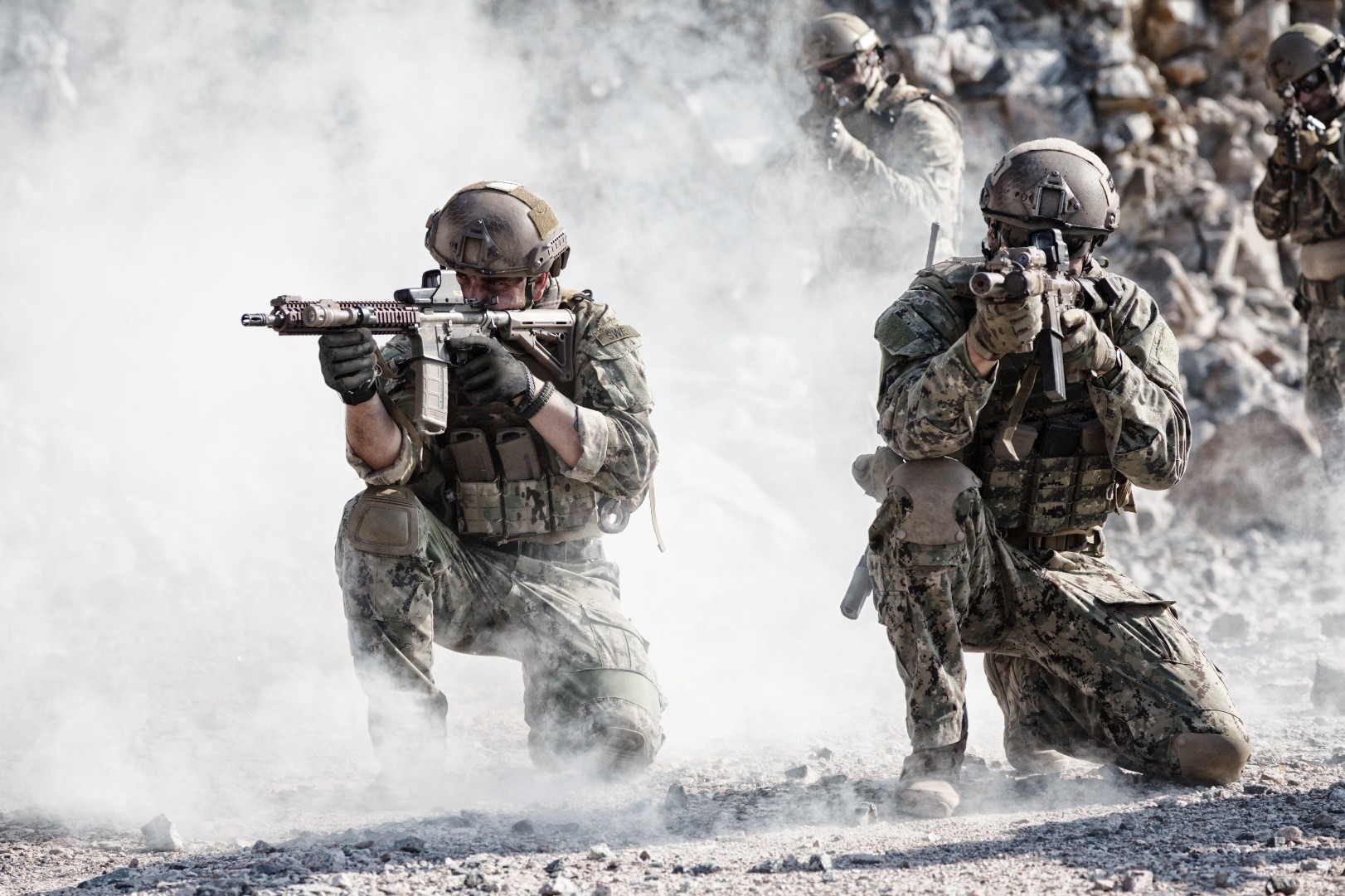


The Battlefield of Drass
Summer 1999. The icy winds of Drass cut through the night as the Kargil War raged across unforgiving ridges. We as group of EOS (Explosive Ordnance Specialist) were holed in complete distress. Pakistani forces had entrenched themselves on commanding heights — Point 5140, Flat Top, and Point 4875. These peaks overlooked National Highway 1, the lifeline connecting Srinagar to Leh.
Captain Vikram Batra of the 13 JAK Rifles was tasked with leading his men to capture these positions. The mission was brutal: vertical climbs at 17,000 feet, under relentless fire, in freezing winds. His rallying cry, “Yeh dil maange more,” became immortal. On 7 July 1999, news spread of his supreme sacrifice. His Commanding Officer, Colonel Y.K. Joshi, informed the unit: “Sher Shah is martyred, but we have Point 5140 and Point 4875.” A Marathi proverb echoed in his words, “Gad aala, par Singh gela”; the fort is won, but the lion is lost. The story of Captain Batra is one of courage, clarity, and sacrifice.
But it also raises a question: what if immersive technologies such as Virtual Reality (VR), Augmented Reality (AR), and Extended Reality (XR) had been available on the battlefield? Could just-in-time learning have sharpened muscle memory, revealed hidden dangers, and saved lives?
This blog is not about rewriting history. It is about reimagining the future and drawing lessons for Learning & Development (L&D) in organizations today.
VR: Rehearsing the Impossible
On the slopes of Point 4875, imagine Bravo Company rehearsing in VR:
- Practicing climbs under simulated fire.
- Experiencing ambushes and correcting mistakes instantly.
- Training in pitch dark conditions to sharpen instincts.
By the time they faced the real mountain, they would have “fought” it dozens of times. Reflexes sharpened, confidence unshakable, muscle memory revitalized.
L&D Parallel:
- Onboarding: New hires explore virtual replicas of offices, factories, or customer sites before stepping in physically.
- Technical Skills: Employees rehearse complex tasks (e.g., operating heavy machinery, handling hazardous materials) in safe VR environments.
- Soft Skills: Leaders practice crisis communication, presentations, or negotiations in lifelike simulations.
- Lesson: VR is the rehearsal room for courage. It transforms hesitation into resilience. For L&D, it means employees can practice without risk, building competence and confidence before facing reality.
AR: Seeing the Invisible
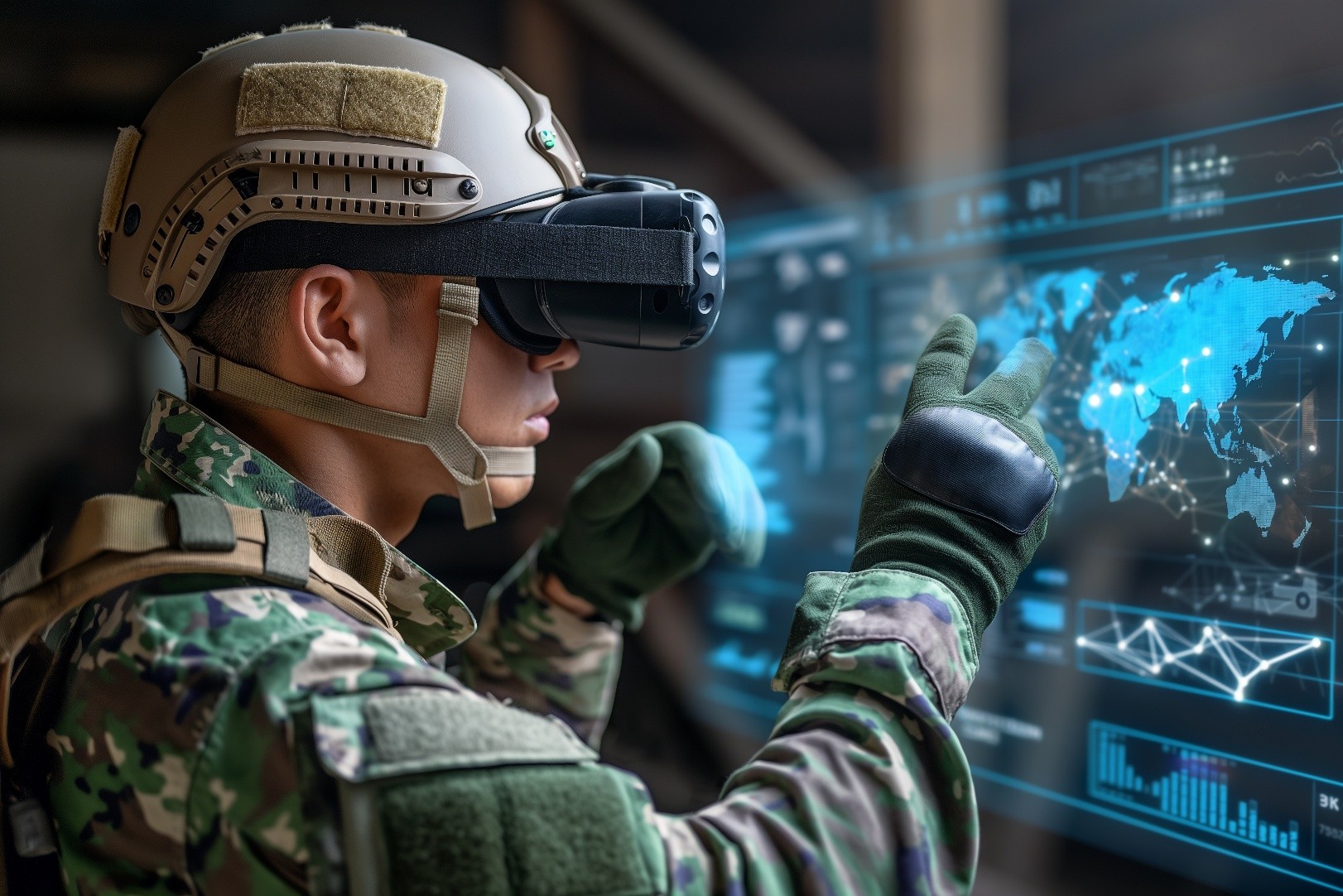
On the battlefield, AR visors could overlay intelligence:
- Red markers for sniper nests.
- Green paths guiding safe routes.
- Digital cues tracking ammunition and soldier vitals.
Fog and snow would no longer blind. Decisions would be clearer, coordination seamless.
L&D Parallel:
- Performance Support: AR overlays step by step instructions during complex tasks (e.g., repairing equipment, assembling products).
- Skill Coaching: AR glasses track posture, gestures, or tone of voice, offering instant feedback during training.
- Knowledge Retention: Learners see contextual information layered onto real environments, reinforcing memory.
- Lesson: AR is the empathy lens. It reveals hidden currents, trains leaders to connect beyond words, and guides employees in real time. For L&D, it bridges the gap between theory and practice.
XR: The Cosmic View of Strategy
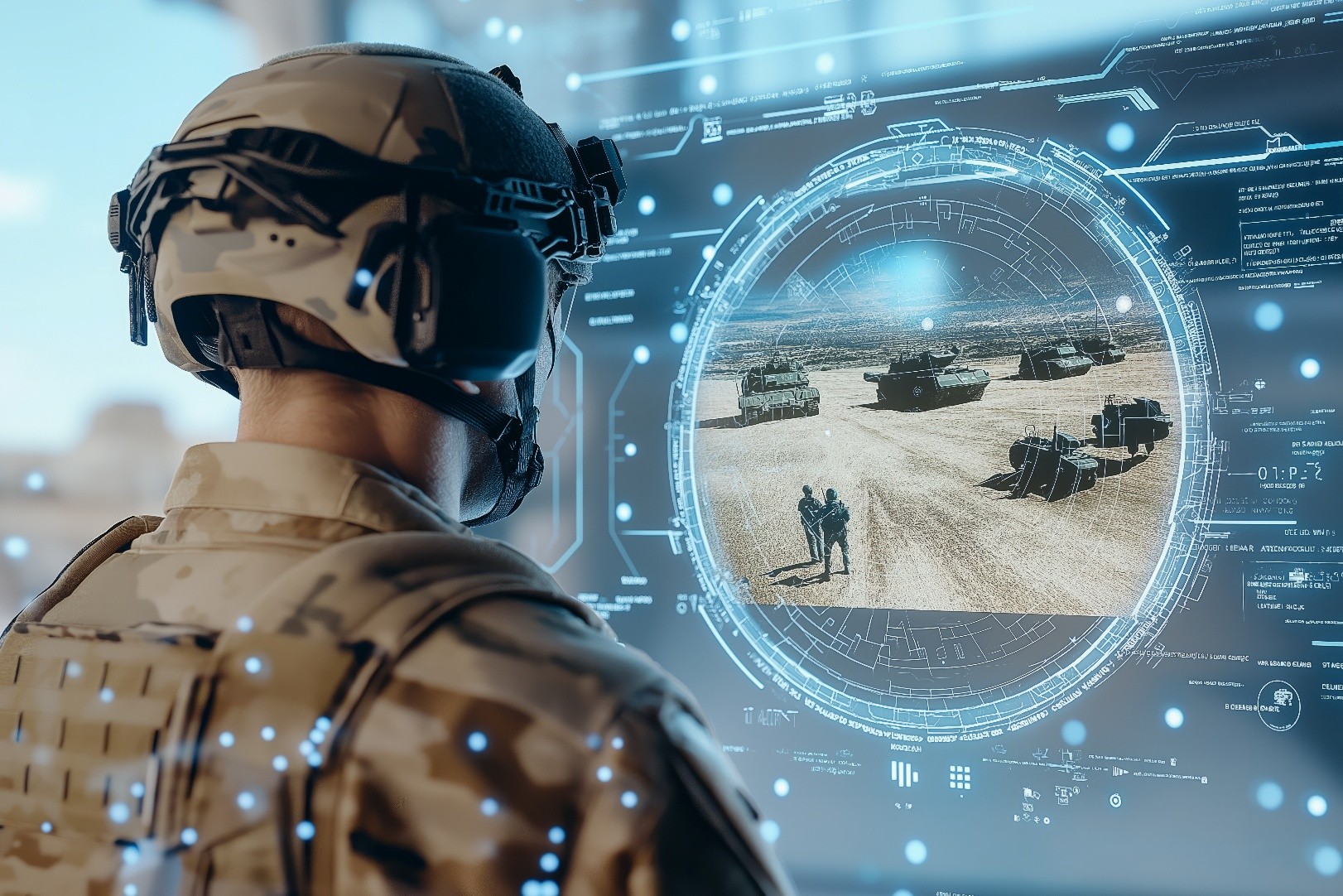
In the command tent, XR could create a holographic battlefield map:
- Live tracking of troop movements.
- Predictive models of enemy reinforcements.
- Simulations of weather shifts and terrain risks.
Krishna once gave Arjun the cosmic vision. XR offers leaders a similar foresight, seeing ripple effects of every decision across time and space.
L&D Parallel:
- Virtual Classrooms: Teams across geographies collaborate in XR spaces, solving problems together.
- Scenario Planning: Leaders simulate market disruptions, supply chain breakdowns, or customer crises in XR.
- Cross Functional Training: XR allows finance, operations, and HR teams to see how decisions ripple across the organization.
- Lesson: XR is the cosmic vision. It prepares leaders for complexity and interconnectedness. For L&D, it means employees learn to anticipate consequences and collaborate across boundaries.
Comparison Table: Military vs Corporate Preparedness with VR, AR, XR
| Technology | Military Preparedness (Mountain Warfare – Point 4875, Drass) | Corporate Preparedness (Leadership & Crisis Management) |
|---|---|---|
| VR (Virtual Reality) | – Simulates terrain of Point 4875 and surrounding ridges (Flat Top, Point 5140). – Soldiers rehearse climbing under fire and night operations. – Builds muscle memory and confidence before real combat. |
– Executives rehearse cyberattack responses or supply chain breakdowns. – Crisis communication practice in lifelike simulations. – Safe environment to fail, learn, and build resilience. |
| AR (Augmented Reality) | – AR visors overlay enemy positions on cliffs. – Safe climbing routes highlighted in real time. – Tracks soldier vitals and ammunition during combat. – Clears fog/snow for situational awareness. |
– AR overlays financial data during presentations. – Emotional cues highlighted in negotiations. – Guides engineers through complex repairs. – Enhances empathy and clarity in communication. |
| XR (Extended Reality) | – Commanders view holographic battlefield maps of Drass sector. – Predictive models simulate enemy reinforcements. – Weather and terrain shifts forecasted. – Enables collaborative mission planning across units. |
– Leaders simulate global market dynamics. – Ripple effects of supply chain disruptions visualized. – Competitor strategies modeled in real time. – Collaborative foresight for strategic decision‑making. |
| Physical Training | – VR endurance drills replicate high‑altitude stress. – AR tracks posture and vitals during drills. |
– VR wellness programs simulate stress scenarios. – AR monitors employee engagement and fatigue. |
| Weapons/Tools Handling | – VR firing ranges replicate enemy ambushes. – AR overlays guide accuracy in real combat. |
– VR practice for product launches or negotiations. – AR overlays guide real‑time decision adjustments. |
| Logistics & Supply Chains | – XR maps supply routes across Drass ridges. – Predicts bottlenecks in ammunition and food supply. |
– XR maps global supply chains. – Predicts bottlenecks in manufacturing and distribution. |
| Medical Preparedness | – VR trains medics in battlefield surgeries. – AR overlays guide treatment under fire. |
– VR trains healthcare teams in complex procedures. – AR overlays guide surgeons in real time. |
| Psychological Resilience | – VR recreates stress scenarios of mountain warfare. – Builds mental toughness for soldiers. |
– VR recreates high‑pressure boardroom crises. – Builds resilience for executives under stress. |
| Team Coordination | – XR platforms allow units across Mushkoh and Drass to rehearse missions collaboratively. | – XR platforms allow global teams to collaborate on strategy and crisis response. |
Combat Applications and Corporate Lessons
If immersive tools had been available:
- VR would have trained courage before the fight.
- AR would have provided clarity during the fight.
- XR would have revealed foresight beyond the fight.
Together, they could have amplified bravery, reduced risks, and saved lives.
Corporate Parallel:
- VR = Courage: Practice crises safely.
- AR = Empathy: See emotions, build trust.
- XR = Strategy: Anticipate complexity, make better decisions.
These are not luxuries. They are imperatives for organizational development and L&D.
Framework for L&D Transformation: Here’s how AR, VR, and XR map to L&D priorities:
| L&D Priority | VR Contribution | AR Contribution | XR Contribution |
|---|---|---|---|
| Onboarding | Virtual tours, role simulations | Real‑time guidance during first tasks | Collaborative induction across geographies |
| Technical Skills | Safe practice of complex tasks | Step‑by‑step overlays for accuracy | Cross‑functional simulations |
| Leadership Development | Crisis rehearsal, communication practice | Emotional cue recognition, empathy coaching | Strategic foresight, ripple‑effect simulations |
| Compliance & Safety | Hazard simulations | Real‑time safety alerts | Organization‑wide risk modelling |
| Collaboration | Team exercises in VR | Shared AR data overlays | XR virtual workspaces for global teams |
Why L&D Leaders Must Act Now
- Retention: Immersive learning increases knowledge retention by up to 75% compared to traditional methods.
- Engagement: Employees are more motivated when training feels experiential and relevant.
- Scalability: VR, AR, and XR can be deployed across geographies, ensuring consistent training.
- Resilience: Organizations build a workforce that can anticipate crises, adapt quickly, and collaborate effectively.
For L&D leaders, the imperative is clear: immersive technologies are not optional addons. They are the future of training and organizational development.
Conclusion: Courage Amplified by Technology
Captain Vikram Batra’s legacy reminds us that courage is timeless. Technology cannot replace bravery, but it can amplify it.
For today’s organizations, the message is clear: embrace VR, AR, and XR not as gadgets, but as lifelines of L&D. Because in every battlefield whether of war or business, just in time learning can be the difference between loss and victory.
Immersive learning is powerful, but wisdom must guide its use. Leaders must ensure these tools are aligned with values, purpose, and dharma. Together VR, AR, and XR are the modern Gita for organizational development guiding through doubt, preparing for action, and amplifying resilience.
Stay tuned, my next blog will dive deep into the Gita and the Arjun–Krishna Samvad, re imagined through AR, VR, and XR as the modern scripture of leadership and learning.